

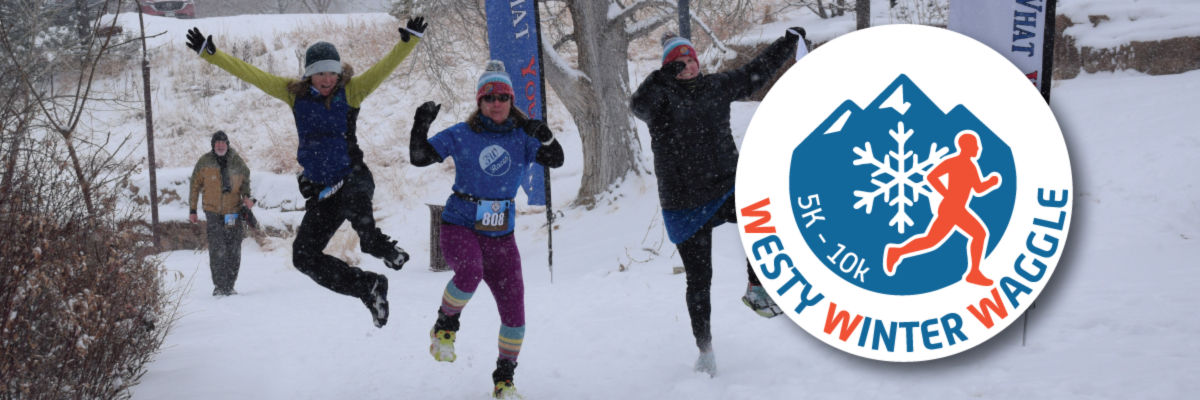
Weather
From our FAQ Page:
WEATHER: The race will take place as scheduled in most weather conditions. We will only postpone or cancel the event if severe weather creates unsafe conditions, such as lightning, a tornado, extreme cold (below 0°F), or whiteout conditions.
If severe weather affects the event, updates will be posted on the race website and communicated directly to registered participants by email.
In nearly all cases, the race will go on as scheduled—so please plan and dress accordingly.
GROUND COVER:
The course surface is concrete and may or may not be plowed on race morning. We have intentionally scheduled a late-morning start to give the City additional time to clear the paths if snow falls overnight or early that morning.
Over the past 15 years of holding races at this location at this time of year, the City has done an excellent job of clearing snow from the paths. However, snow removal can never be guaranteed.
Please come prepared to run or walk in whatever conditions race morning brings.
First Winter Race?
Dressing for Winter Race Day
Colorado winter weather can change quickly, and race morning may bring sunshine, wind, snow, cold temperatures, or a combination of all of the above. Please check the forecast before leaving home and come prepared for the actual race-day conditions.
If you are new to running, don't worry—you don't need specialized or expensive winter running gear. A few smart clothing choices can make a big difference.
Start with a Moisture-Wicking Shirt
Whenever possible, choose a synthetic or moisture-wicking shirt rather than cotton.
Cotton absorbs sweat and holds that moisture against your skin. Once you slow down—or if the wind picks up—that wet shirt can make you feel much colder very quickly.
Look for shirts made from polyester, nylon, technical running fabrics, or other materials labeled moisture-wicking or quick-drying.
A moisture-wicking long-sleeve shirt makes an excellent base layer on a cold day.
Dress in Layers
Several light layers usually work better than one very heavy layer.
A good cold-weather combination might include:
- A moisture-wicking shirt next to your skin
- A light insulating layer if temperatures are especially cold
- A lightweight wind-resistant or weather-resistant jacket on top
Layers give you options. You may feel chilly while waiting for the race to begin but become considerably warmer once you start moving.
Try not to dress for how you feel standing still at the start line. Running generates a surprising amount of heat.
If you are planning to walk most or all of the course, however, you may want an additional layer because you will generate less body heat than someone who is running.
What About Your Legs?
Running tights or athletic leggings are a great choice for cold-weather running.
For moderately cold temperatures, one pair of tights may be all you need. On especially cold or windy days, some runners add lightweight running pants over their tights.
Avoid heavy cotton sweatpants if snow, slush, or precipitation is possible. Once cotton becomes wet, it can stay wet—and cold—for a long time.
Protect Your Hands, Head and Ears
Your hands and ears can become uncomfortable surprisingly quickly in winter weather.
Consider bringing:
- Lightweight gloves or mittens
- A knit or running hat
- An ear warmer or headband
- A neck gaiter or buff on especially cold or windy days
These small items are also easy to remove and carry if you become too warm.
Socks and Shoes Matter, Too
Moisture-wicking running or athletic socks are a better choice than cotton socks, particularly if the course is snowy or wet.
Wear shoes that are comfortable and familiar to you. Race morning is generally not the best time to try a brand-new pair of shoes.
If snow or ice is present, shoes with good tread can provide additional confidence and stability.
Traction in Snow or Ice
Winter conditions sometimes create packed snow or icy areas on the course.
Depending on race-day conditions, runners may choose to use removable traction devices designed for running or walking on snow and ice. These slip over your regular shoes and provide additional grip.
Traction devices are not necessary for every winter race. Check the race-day weather and course-condition updates before deciding whether to use them.
If you have never used traction devices before, we recommend trying them before race day rather than using them for the first time during the event.
Rain, Snow and Wind
A lightweight wind-resistant outer layer can make a major difference on a windy morning.
If precipitation is expected, a water-resistant running jacket can help keep you comfortable. Very heavy waterproof jackets can sometimes trap sweat and make runners overly warm, so lightweight and breathable is usually preferable for running.
Bring More Than You Think You'll Need
You don't have to wear everything you bring.
Colorado weather can change between the time you leave home and the time the race begins. Consider bringing an extra layer, dry socks, gloves, and a different outer layer in the car.
You can make your final clothing decision when you arrive.
One Last Tip for New Runners
It is normal to feel slightly cool when you first begin running. Your body will warm considerably during the first several minutes of exercise.
If you feel perfectly warm while standing around before the start, you may find yourself overdressed once you begin running.
Walkers and runners who expect to be on the course longer should dress a little more warmly than faster runners.
Most importantly: check the forecast, dress in layers, avoid cotton next to your skin when possible, and give yourself options on race morning.
Winter running can be a lot of fun when you're dressed for it!
